
AI Hail Damage Detection for Dealerships and Body Shops
After a storm, counting hail dents by hand is slow and inconsistent. Here's how AI detects and documents hail damage at volume for dealership lots and body shops.
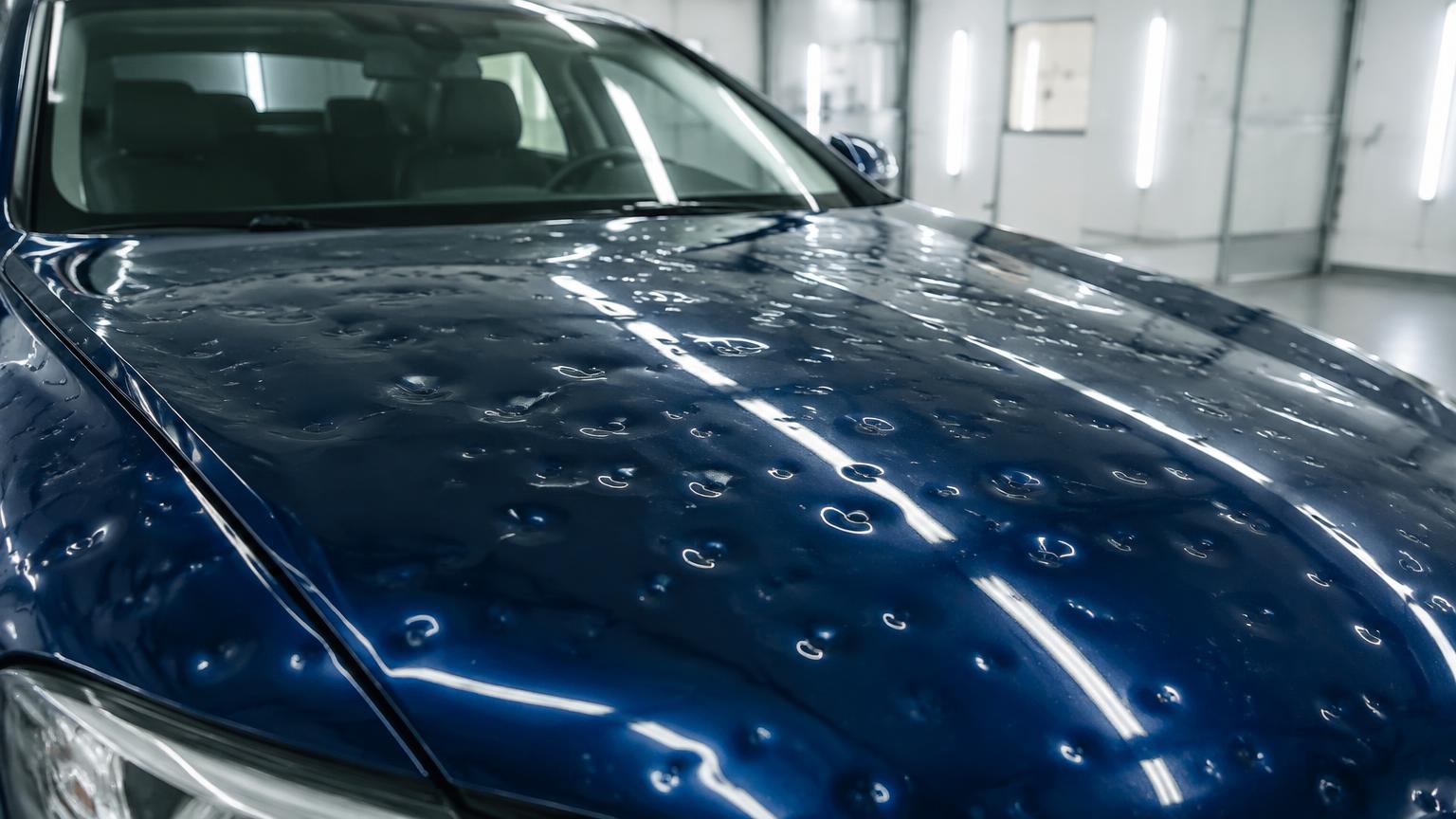
The short answer: AI hail damage detection uses computer vision to find and document the dents across a vehicle's panels automatically, producing a consistent, photo-backed damage record in minutes instead of a manual hand count. For dealerships, it turns a lot full of storm-hit inventory into a triaged list fast. For body shops, it feeds a clean, defensible basis for PDR estimating without an adjuster eyeballing a quarter of the hood and multiplying by four.
Hail is a volume problem, and volume breaks manual counts
A hailstorm doesn't damage one car. It damages the whole lot, and every unit within a few miles, all in the same ten minutes. Then the clock starts — insurers, customers, and a dealership with a hundred-plus vehicles that all need a condition read before anything can move.
Manual hail estimating was built for one car at a time, and it shows. The old methods lean on "bucket" estimating — grouping dents into ranges — or on sampling, where an estimator counts the dents on a quarter of a panel and multiplies. Fast, sure. Also inconsistent, and a reliable way to miss half a car. Missed dents become supplements later, and supplements are the tax you pay for a rushed first look.
The real problem isn't that counting dents is hard. It's that counting them accurately, on dozens of cars, before the trail goes cold, is nearly impossible by hand.
How AI hail damage detection works
An AI system scans each vehicle and maps the hail damage panel by panel, detecting individual dents rather than estimating a range. Instead of a human deciding whether a hood has "about 40" dents, the system detects what's actually there and records it the same way on every car.
Three things make that useful under storm pressure. It's exact — a real count per panel, not a bucket or a sample extrapolated across the car. It's consistent — the same car scanned twice reads the same, and car number eighty gets the same scrutiny as car number one. And it's fast — a scan takes minutes, which is what lets you work through a full lot in a day instead of a month of adjuster visits.
The output is a documented, photo-backed record of the damage on each vehicle: what's there, where, panel by panel. That record is the clean foundation everything downstream is built on.
What it means for dealerships
For a dealership, the first job after a storm is triage. Which units took the worst of it. What the exposure is across the lot. What moves to PDR, what needs a body shop, what's still frontable.
AI detection gives you that picture quickly and consistently, instead of pulling your people off the floor to walk a hundred cars with clipboards. Every unit gets a dated, objective damage record — which matters when you're filing a lot-wide claim, negotiating with an insurer, or proving the condition of inventory that was fine the day before the storm. The photo-and-timestamp trail is the difference between a claim you can defend and a number you're arguing about.
What it means for body shops
For a body shop, hail season is a flood, and the bottleneck is the estimate. PDR work is priced off a matrix — dents per panel, by size, times a rate — so the estimate is only as good as the dent count underneath it. Get the count wrong on the first pass and you're writing supplements for weeks.
An accurate, panel-by-panel detection feeds that matrix with a real count instead of a guess. It helps separate the straightforward PDR from the "combo" repairs that need conventional body work, so cars get routed right the first time. Fewer supplements. Fewer surprises mid-repair. A cycle time that doesn't balloon the moment the volume spikes.
Think of it as catching the whole storm's worth of damage in one honest look, instead of finding the rest of it one supplement at a time.
Where LumaScanner fits
LumaScanner is Tractable's AI vehicle inspection system, and Tractable has spent years building AI that reads vehicle damage for exactly these high-volume, high-stakes moments. LumaScanner scans each vehicle, detects and documents the damage, and produces a consistent, time-stamped photo record — the kind of objective basis both a dealership claim and a body-shop estimate need when the volume is highest and the pressure is on.
The practical part matters here too. A light footprint, a roughly five-hour install, and flat single-tier pricing mean the capacity is there before the storm, not quoted after it. And LumaScanner customers have seen a 2.4x lift in repair approvals, because damage that's detected and documented thoroughly is damage that gets approved — not missed on the first pass and fought over on the second.
The bottom line
Hail damage is a volume game, and manual counting loses it. AI detection reads the dents accurately, documents them consistently, and does it fast enough to work a whole lot before the claims pile up — giving dealerships a defensible record and body shops a clean basis for PDR estimating. Count it once, count it right, and stop paying the supplement tax.